Transformer price in Bangladesh by kVA
Most price lists only show the transformer. What you actually pay is the installed cost: HT switchgear, LT panel, cables, civil work, earthing and approvals. This page shows each size with the load it serves and what the cost includes.
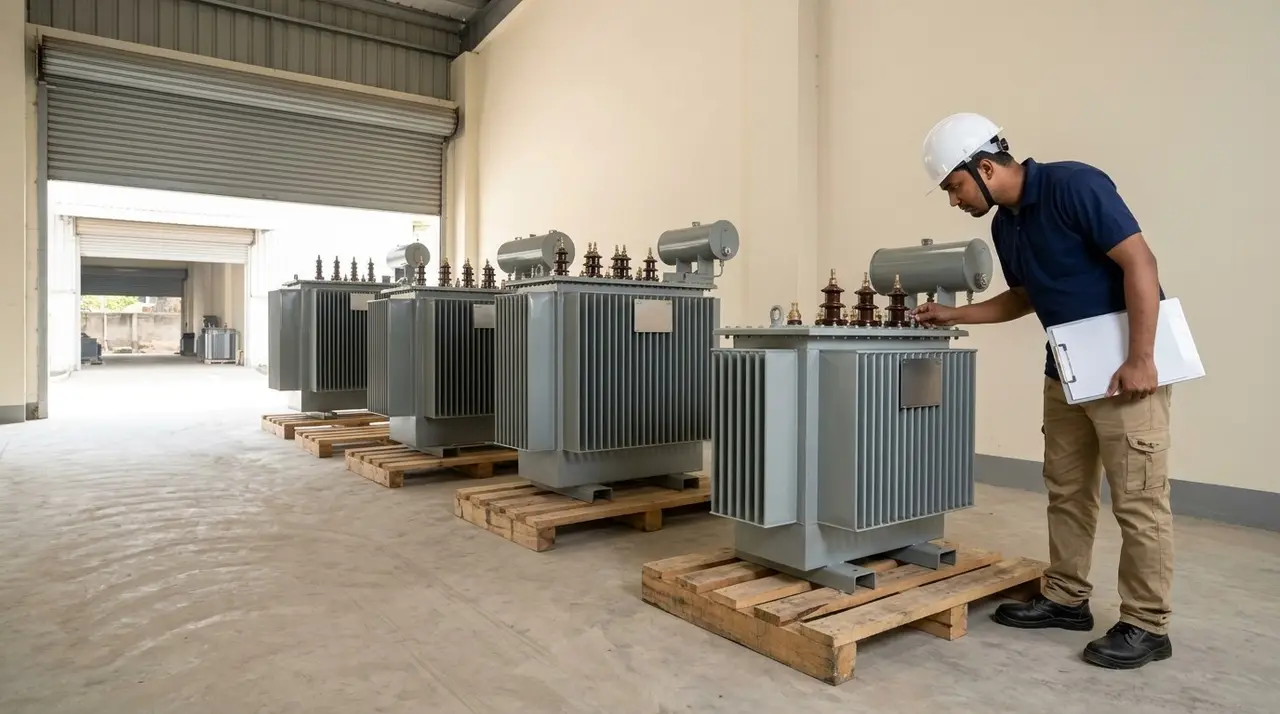
Sizes at a glance
| Size | Load at 0.8 PF | Typical building or factory | Price range | Lead time | Checked on |
|---|---|---|---|---|---|
| 50 kVA | 40 kW | Small workshop, poultry or agro unit, a row of shops | On written quote | Confirmed in quote | — |
| 100 kVA | 80 kW | Small factory or workshop, a residential building with lifts and pumps | On written quote | Confirmed in quote | — |
| 200 kVA | 160 kW | Mid-size factory, apartment block, commercial building | On written quote | Confirmed in quote | — |
| 250 kVA | 200 kW | Small to mid-size factory, garments or printing unit | On written quote | Confirmed in quote | — |
| 315 kVA | 252 kW | Growing factory that has outgrown 250 kVA | On written quote | Confirmed in quote | — |
| 500 kVA | 400 kW | Larger factory, hospital, commercial or mixed-use building | On written quote | Confirmed in quote | — |
Prices are from our own dated quotes and change with copper prices and the exchange rate. Your written quote is final.
Transformer sizes
- 50 kVA
about 40 kW
Small workshop, poultry or agro unit, a row of shops
Learn more - 100 kVA
about 80 kW
Small factory or workshop, a residential building with lifts and pumps
Learn more - 200 kVA
about 160 kW
Mid-size factory, apartment block, commercial building
Learn more - 250 kVA
about 200 kW
Small to mid-size factory, garments or printing unit
Learn more - 315 kVA
about 252 kW
Growing factory that has outgrown 250 kVA
Learn more - 500 kVA
about 400 kW
Larger factory, hospital, commercial or mixed-use building
Learn more
Transformer types
Which type suits you depends on where it will sit and how much space and fire risk you have.
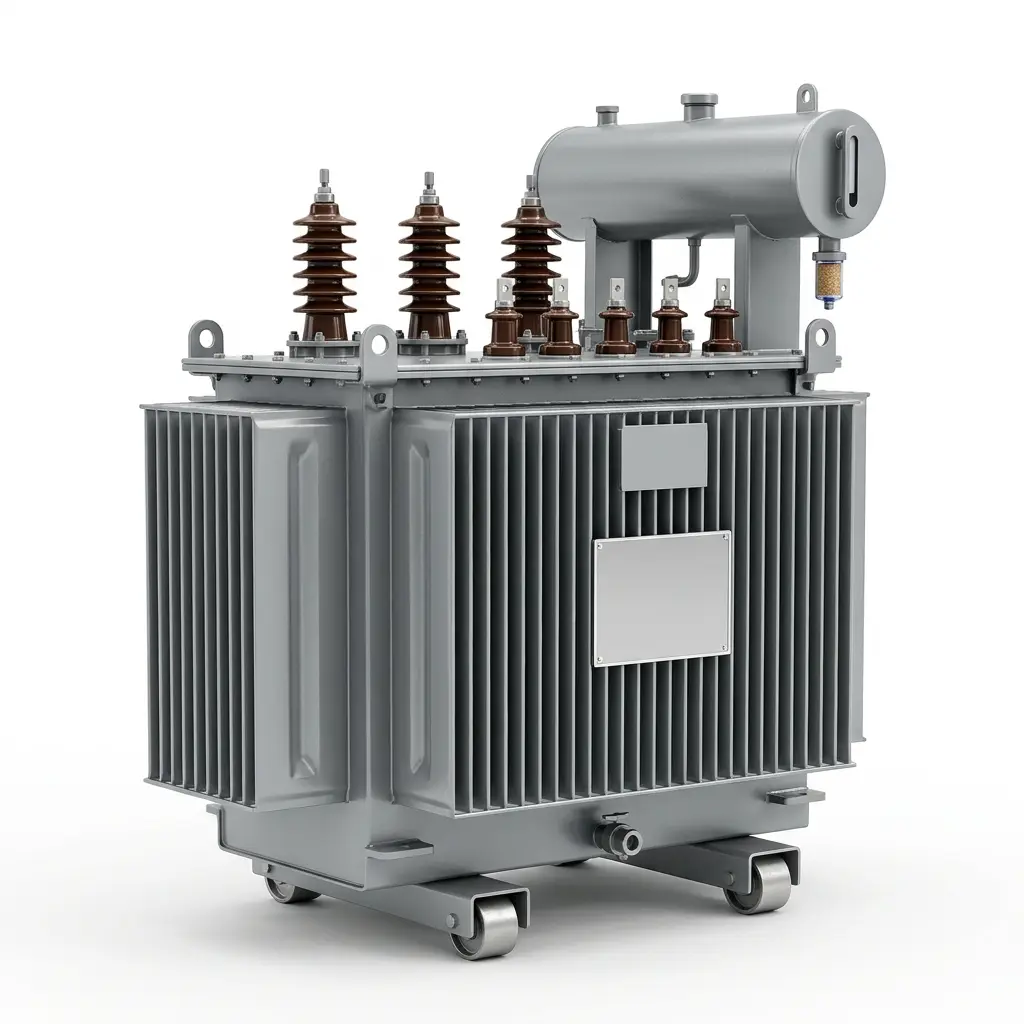
Oil-immersed (ONAN)
The most common choice for 11/0.4 kV supply. Lower cost and robust. Needs an outdoor plinth or a ventilated room with oil containment.
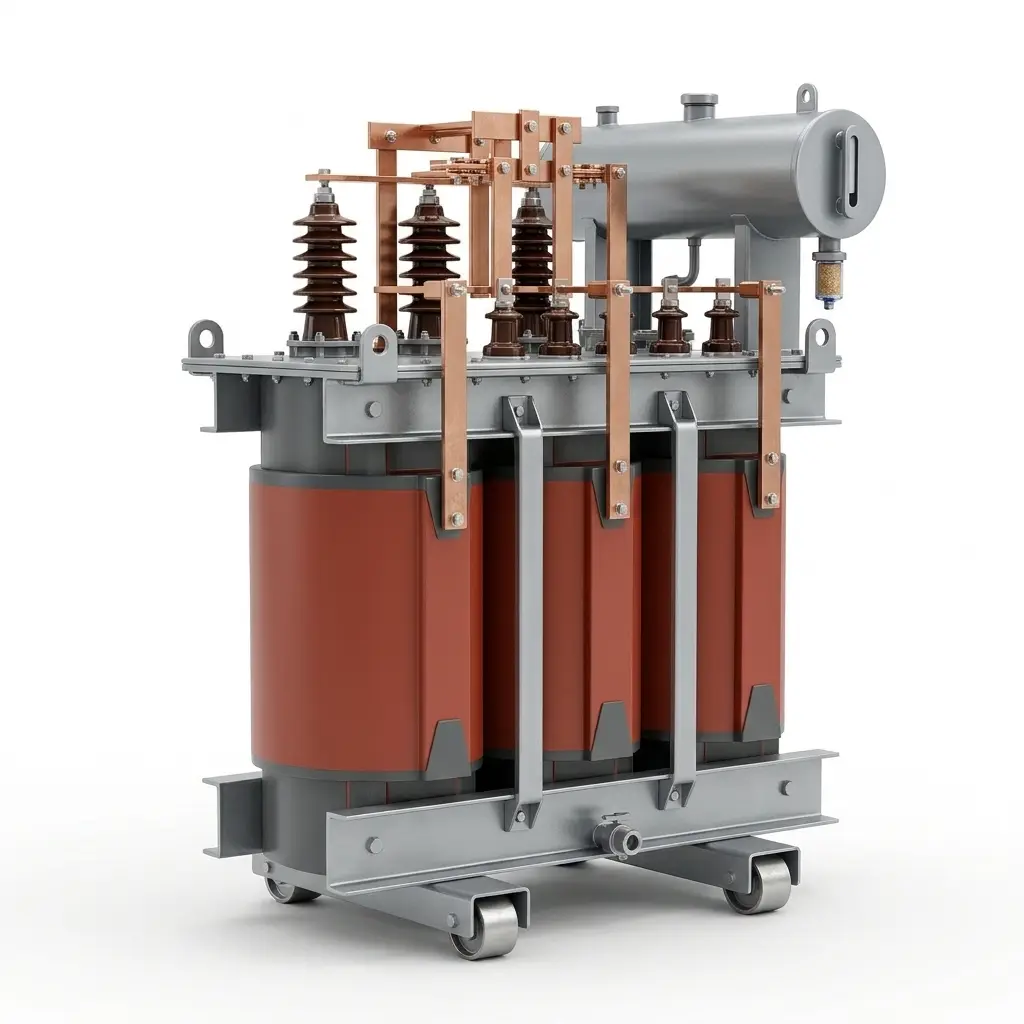
Dry-type / cast resin
No oil, so it suits indoor rooms inside buildings, hospitals and places where fire risk matters. Costs more than oil-immersed.
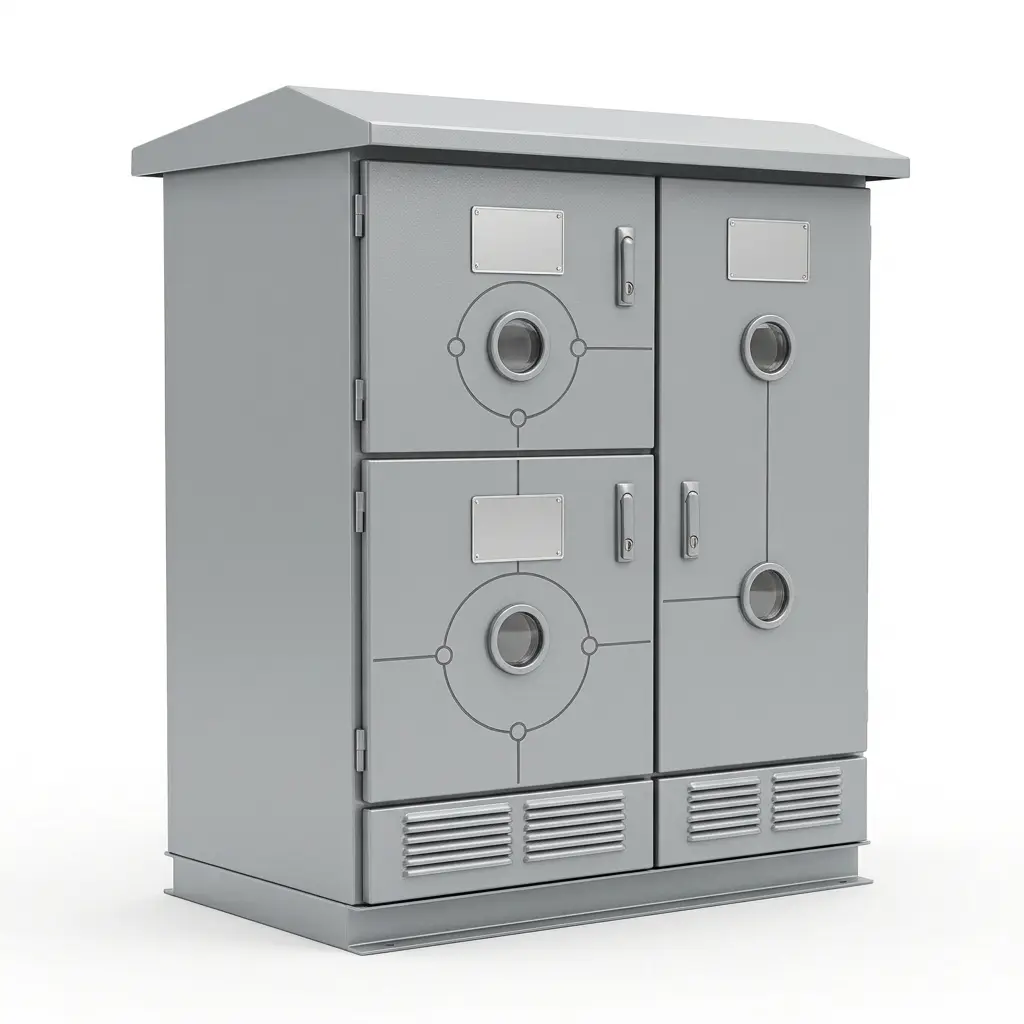
RMU / compact substation
HT switching (ring main unit), transformer and LT panel in one enclosure. Saves space and civil work on tight sites.
Copper vs aluminium winding
Both are used in distribution transformers. Ask for the winding material and the tested loss figures in every quote.
Copper winding
- Better conductivity, so a more compact design
- Stronger under short-circuit stress
- Higher purchase price
Aluminium winding
- Lower purchase price
- Lighter, but larger for the same rating
- Needs careful jointing at terminations
Losses depend on the design, not only the metal. Compare no-load and load-loss figures from the routine test certificate.
What moves the price
- Winding material and tested losses
- Brand, standard (BDS or IEC) and warranty
- Indoor or outdoor, oil or dry type
- HT side: VCB, RMU or drop-out fuse, and metering
- Cable length and size between transformer and LT panel
- Civil work: plinth, room, fence, oil soak pit, cable trench
How to choose the right kVA
Start from your connected load, estimate how much runs at the same time, convert to kVA at 0.8 power factor and leave room to grow. The calculator below does this for you.
How many kVA do you need?
Add up the rated power of everything you plan to connect. We turn it into a suggested transformer size.
Enter your connected load to see a suggested size.
This is an estimate. We confirm the size at the free site survey after checking your actual loads.
Frequently asked questions
What is the price of a 250 kVA transformer?
It depends on winding material, losses, brand and whether you want the transformer alone or installed with HT switchgear, LT panel, cables, civil work and approvals. We give a written, line-item quote after a free site survey.
Copper or aluminium winding: which should I choose?
Copper is more compact and handles short-circuit stress better but costs more. Aluminium is cheaper and lighter. Compare the tested no-load and load-loss figures, not just the metal.
How do I know what kVA I need?
Add up your connected load in kW, estimate how much runs at the same time, divide by 0.8 power factor and leave about 20% headroom. Use the calculator on this page, then we confirm it at survey.
Do you supply the transformer only, or install it too?
Both. Most clients choose supply, installation and approval as one job so there is one point of responsibility.